It invaded my sleep again a few nights ago, as it has dozens of times over the past twenty-five years. Maybe this time it was triggered by recent events in Las Vegas. Maybe it was the vicarious pain of friends who have suffered great loss. I don’t know.
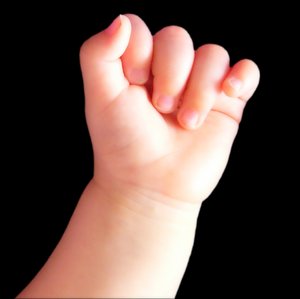
This time it wasn’t the full dream. Just a single image: a small hand protruding from beneath a blue drape—a mental screenshot, a reminder of a long-ago tragedy.
I wouldn’t call it PTSD. The image doesn’t visit often. There are no tears. No true nightmares. Just a brief dream, and then I’m awake, replaying the moment.
It was a terrible tragedy. I’ve witnessed others just as awful—and far more graphic—in emergency rooms, on highways, and in Iraq over the past twenty-five years. But those do not return like this one does.
Why?
Maybe it was my naïve vulnerability at the time. Maybe it’s because I could identify with it more on a personal level. I’m not sure.
The story…
A young rural pastor was invited to preach at a large urban church. He was excited—but the excitement was tempered by fear for his young family’s safety in the big city. That concern weighed heavily as he, his wife, and their two boys—ages three and seven—made the drive.
They stopped for lunch along the way. The three-year-old sat in a booster seat in the front passenger seat next to his father. His mother and older brother slept in the back.
They parked. The pastor unbuckled his son’s straps. Opening his door, he realized he had parked over the line, so he got back in to reposition the car.
In the twenty seconds it took to re-park, the little boy—now crawling on the floorboard—found a loaded revolver beneath the passenger seat. It had been kept there for protection during the trip.
The gun discharged.
The bullet entered his head.
The child was airlifted to the university hospital where I was a brand-new third-year medical student, just weeks into my first clinical rotation—trauma surgery.
The initial assessments were grim. Subsequent evaluations confirmed the worst: the boy was brain dead.
Counselors came. Papers were signed. Surgical teams from around the country were notified and began traveling in.
The boy was kept alive on machines in a private room just off the pediatric intensive care unit. I was on call that night and found myself alone with him—just me, the steady beeps of monitors, and the rhythmic hiss of the ventilator.
I reached down and touched his hand.
It was pink and warm, betraying the truth. He looked alive. He felt alive.
But he wasn’t.
It was a necessary charade.
I thought of my daughter Hannah, the same age. How do parents ever wrap their hearts and minds around this? How do they survive it?
In the early morning hours, the teams assembled to begin the organ harvest. Still on call, I was asked to scrub in.
A third-year medical student contributes little of substance in such a case. I was there to observe, to learn.
My only real role was to be the human retractor.
“Hold this.”
“More tension.”
“Push here.”
“Pressure there.”
Space around a small child on an operating table is limited. I soon found myself wedged tightly between a surgeon and a scrub nurse, my body turned sideways, right hand tucked to my chest to preserve sterility, my left arm extended blindly into the field—retracting a liver, or whatever else was needed.
I had little view of the surgical field.
But I could see the child.
Or at least part of him.
Looking past the surgeon’s shoulder, I could see his small pink hand protruding from beneath the sterile blue drape. I stared at it for over an hour as the harvest progressed.
I wanted his fingers to move. To twitch. To flex. To do anything.
His heart was taken last.
Soon the teams scrubbed out, leaving with their treasures—precious organs packed into Coleman coolers, bound for recipients in distant cities. The operating room emptied quickly, and once again I was alone with the child.
This time there were no monitors. No ventilator. Just silence, broken only by the sound of my own breathing.
I reached out once more and touched the hand beneath the drape—to say goodbye, I suppose.
It was cold.
Pale.
Lifeless.
The charade was over.
 Dash Stories
Ohhh Lowell your stories touch my heart and fill me with emotion … Thank you ! Crying here, I know this little guy was watching from above and knew you cared.
LikeLiked by 1 person
Lowell, May God continue to Bless you and your family,, A true Godly man,
LikeLiked by 1 person
You writing was beautiful and touching.
LikeLiked by 1 person